Table Of Content

Brown widow spiders are typically found in dark, undisturbed areas of your home like behind furniture, basements, attics, or garages. Cellar spiders are common in houses throughout North America and are completely harmless. However, you may notice the small spider with its thin arching legs in the corner of rooms.
Brown Recluse Geography
This is the UK's heaviest spider and they prefer a habitat of gardens, wooded areas, marshes or long grassland. “People are afraid they’re dangerous, or likely to bite humans, or they came in from outdoors, or are ‘wolf spiders’ – all of which are completely false,” he explained. Though you can certainly vacuum any sacs you find on your own, it’s best to contact a pest control professional, as Yellow Sac Spiders are venomous and caution should be used. They’re a pale beige to yellow color which can even present a hint of green, while the tips of their legs are dark brown.
What Do Giant House Spiders Look Like?
Generally, the top part of the abdomen has a dark, v-shaped mark that runs down to its midpoint. Additionally, despite being quite common in Europe, the relative lack of both bites and lesions from said bites puts the Hobo Spider’s purported toxicity in question. Domestic House spiders are all over North America, as far north as Maritime Canada and as far south as Louisiana.
Types of Common House Spiders (With Pictures) – Identification Guide
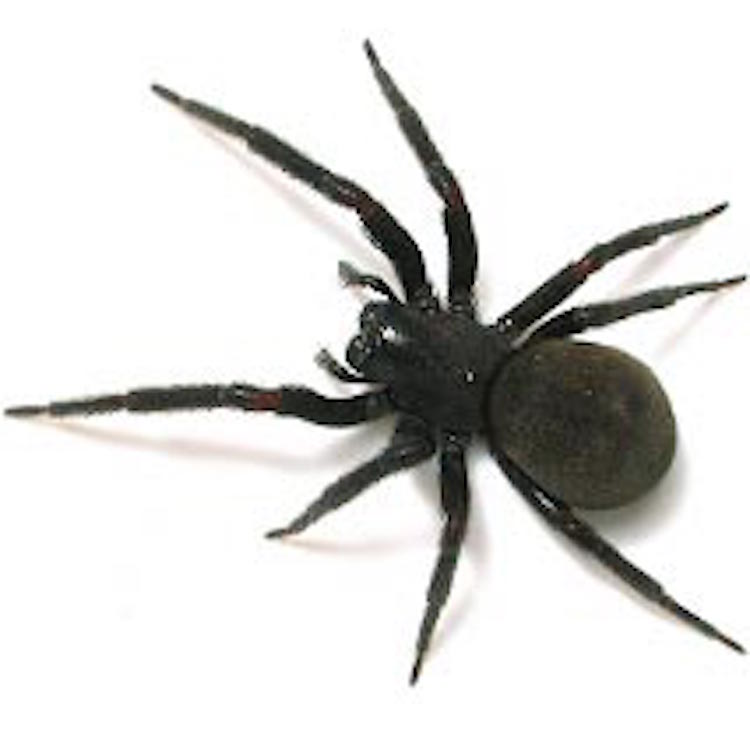
Many jumping spiders have red or white markings on their abdomens and can be confused for black widows. Jumping spiders, however, are not dangerous and are actually beneficial, as they enjoy hunting and pouncing on nuisance insects. Read on to learn more about some of the most common house spiders, including which are harmless or potentially dangerous and what they look like. Black house spiders are known for building messy webs in dark corners, crevices, cracks in window frames, and air vents.
The most common types of spiders found in Massachusetts - WWLP.com
The most common types of spiders found in Massachusetts.
Posted: Fri, 20 Oct 2023 07:00:00 GMT [source]
Southern House Spiders Toxicity
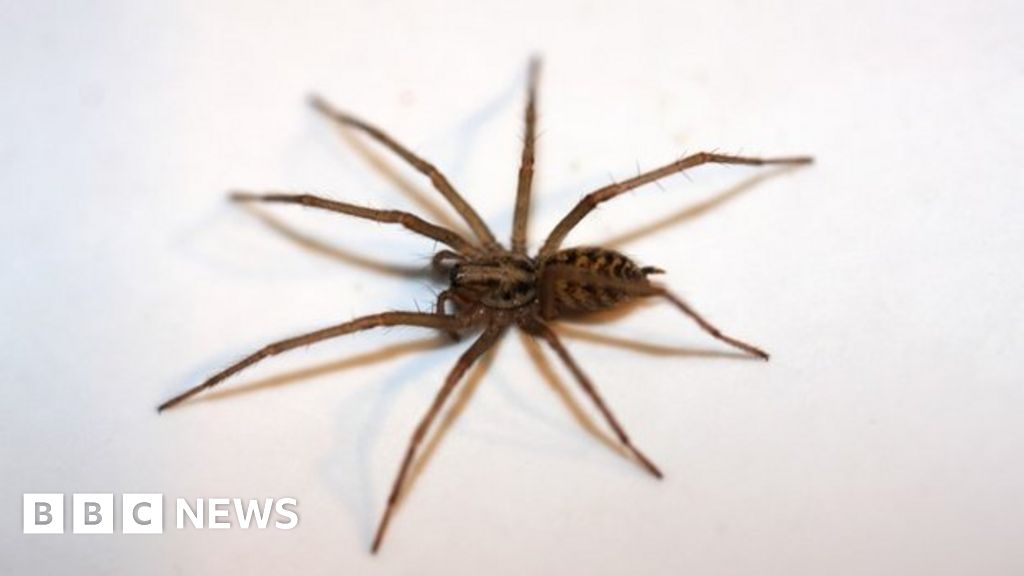
In places home to more venomous spiders, they are often mistaken for the notorious Black Widow. The Giant House Spider is one of the fastest spiders, and can impressively run up to half a metre per second. It can be identified by its large, brown body, and will commonly be found in UK homes during autumn. Places to spot them include behind the fireplace, in the bath or under the sofa. As you can see, finding big spiders in a house is not uncommon by any means. If you’re living in the US, probably, what you’re facing is not a venomous spider.
House spiders typically colonize new buildings via eggs sacs attached to furniture or building materials, but sometimes outdoor spiders also wander inside. Many of these are spiders that eschew webs in favor of active hunting, like wolf spiders, and may be seen scampering across floors or walls. If you release one of these outside, you might actually be doing it a favor.
These common house guests are particularly unwelcome because they have a venomous bite that is especially dangerous to kids and pets. Their bite can cause necrosis, which is the death of living tissue. It isn’t uncommon for victims of these spider bites to require skin grafts on the affected area.
Harvestmen have two body segments as well, but they don't look like it. Their body looks like it has a single, brown or gray oval-shaped segment with eight spindly legs protruding from it. Harvestmen are not venomous and are typically found outside in wooded areas or gardens.
Spiderlings emerge and go through several molts before reaching maturity. As almost all spiders, it possesses venom glands and given its size, also the possibility to penetrate human skin. However, the spider itself is very shy and its first instinct is to run (very fast) and hide when a larger being (humans or animals) approaches. In the few cases in which a giant house spider bites a human or a pet, the symptoms can include some local swelling and pain, comparable to a bee sting. The giant house spider is often confused with the similar looking hobo spider (Eratigena agrestis) that is also common in the Pacific Northwest. The hobo spider has very similar markings but is generally smaller than the giant house spider and has shorter legs.
If you need assistance to control the population, contact a pest control professional. While the Southern House spider’s size can be intimidating, their bite is relatively harmless, and they’re even kept frequently as pets by arachnid enthusiasts. Their bodies are slightly different as well, with longer legs on the males and large, bulbous bodies on the females. Their abdomens, however, have v-shaped chevron stripes, and lack their cousin’s distinct longitudinal dark stripes along the head. For some people, a small white blister appears soon after the bite, the tissue may become hard, and develop a red, white or blue lesion.
The related grass spider (Agelenopsis sp.) is also often confused with the giant house spider. Brown widow spiders measure 0.47” – 0.6” (12 – 16 mm) long, making them slightly smaller than black widows. Like all widow spiders, the brown widow has long, extended legs that are tan with dark brown bands. The black widow spider is easily recognized by its shiny black body with a red hourglass marking. Black widows with red markings have a bulbous abdomen, long glossy black legs, and a small head. Depending on the species, the abdominal marking on the black spider’s underside can be pinkish, orange, or deep red.



No comments:
Post a Comment